


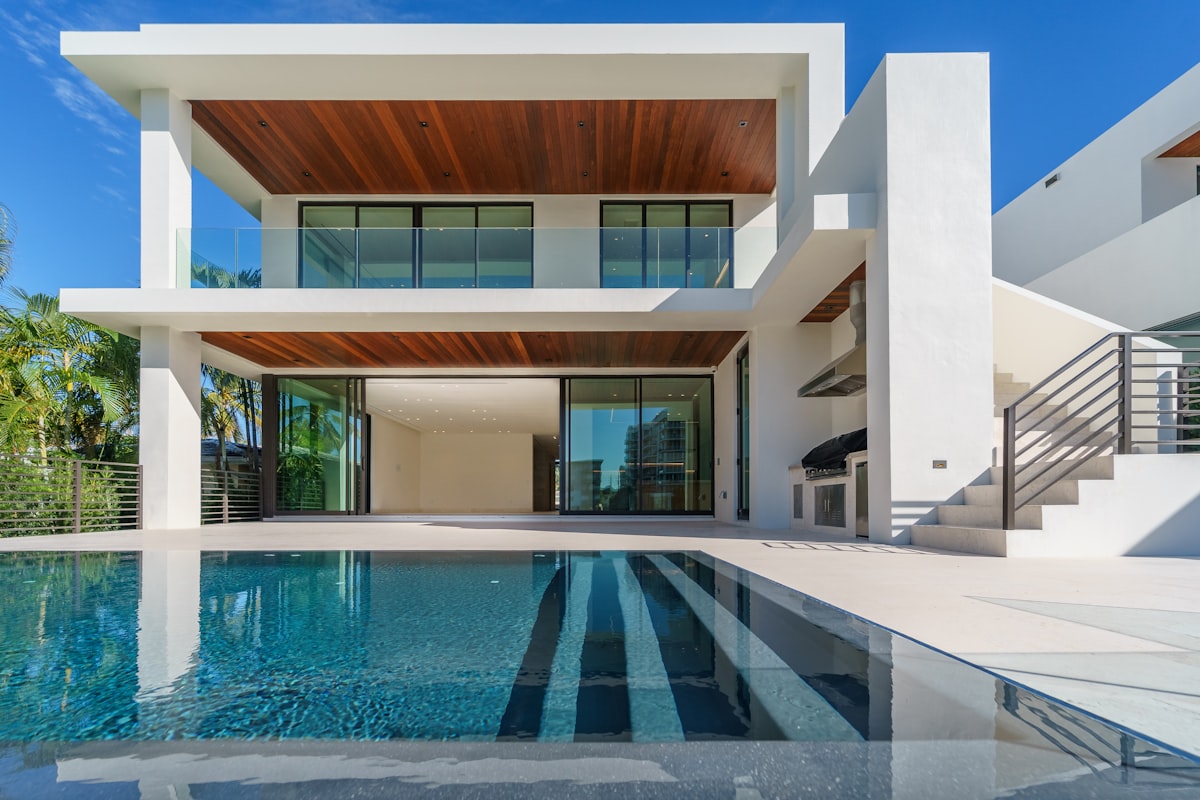

A purchase is easier to judge when the purpose is settled first. A home, a long-term hold and a project are not the same brief, even when the building looks similar.
Start with the brief
Write down how the property will be used, who will occupy it, and the timeframe. Then name the locations that actually work, and the ones that do not. Budget should include the price and the costs around it: stamp duty, legal fees, inspections, and any work the property needs before it suits the use.
Read the property, not only the photos
- Title: what is owned, and what is shared, leased or restricted.
- Constraints: easements, covenants, flood, bushfire, heritage or vegetation controls, where they apply.
- Condition: structure, services, moisture and maintenance, checked by someone qualified where it matters.
- Planning: what the zoning allows today. A possible future use is not an approval.
Put the price in context
One comparable sale is not a market. Look at recent sales of properties that are genuinely similar, and at what is available now. Ask what is included, what is tenanted, and what work a buyer would inherit. A price guide is a guide. It is not a valuation, and it is not a promise of what the property will later sell for.
Decide with the gaps visible
List what you know, what you have assumed, and what a solicitor, building inspector or planner still needs to confirm. Buying well is usually a matter of removing surprises before exchange, not of finding a property with none.
This is general information, not personal financial, legal or planning advice. Planning rules differ by state and by council, and they should be checked for the specific property.
